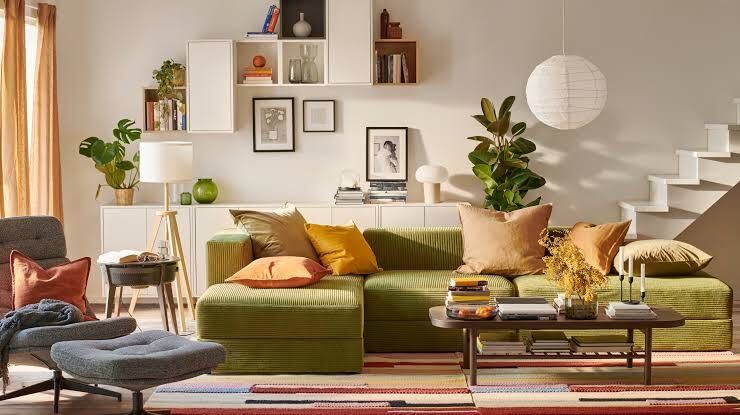
In the world of property development, the gap between a project that sells out in a weekend and one that lingers on the market for months often comes down to a single factor: Floorplan Efficiency. As a top-tier advisor to developers, I’ve seen projects with identical budgets and locations have vastly different outcomes. The winner is always the one that understands the "Science of Space." In 2026, buyers are more discerning than ever; they aren't just buying square meters—they are buying "livability."
1. Eliminating "Dead Space"
Every square meter costs money to build. If 10% of an apartment’s footprint is dedicated to a long, dark hallway or an awkward corner that can’t fit furniture, you are essentially building "waste."
-
The Pro Move: Efficient layouts minimize circulation space. By moving the entrance closer to the center of the unit or using "open-foyer" concepts, you turn that 5sqm of hallway into a larger living room or a dedicated study nook. To a buyer, a 75sqm apartment with no wasted space feels bigger than an 85sqm apartment with a poor layout.
2. The "Furniture-First" Design Approach
I always tell developers: "If a queen-sized bed doesn't fit with two bedside tables, the room doesn't work." It sounds simple, but many plans fail the furniture test. High-velocity projects feature "standardized" room widths (minimum 3.0m) and clear "anchor walls" for TVs and sofas. When a buyer can mentally place their furniture on a 2D drawing without hitting a door or a window, the emotional "yes" happens 40% faster.
3. Zoning: The Secret to Multi-Generational Appeal
In 2026, the "wing" layout is king. This is where the living area acts as a buffer between bedrooms.
-
Why it sells: It appeals to everyone. For investors, it’s perfect for roommates (privacy). For families, it separates the master suite from the kids’ rooms. For downsizers, it provides a quiet guest wing. By zoning the floorplan effectively, you quadruple your target market with a single design.
4. Kitchens That "Breathe"
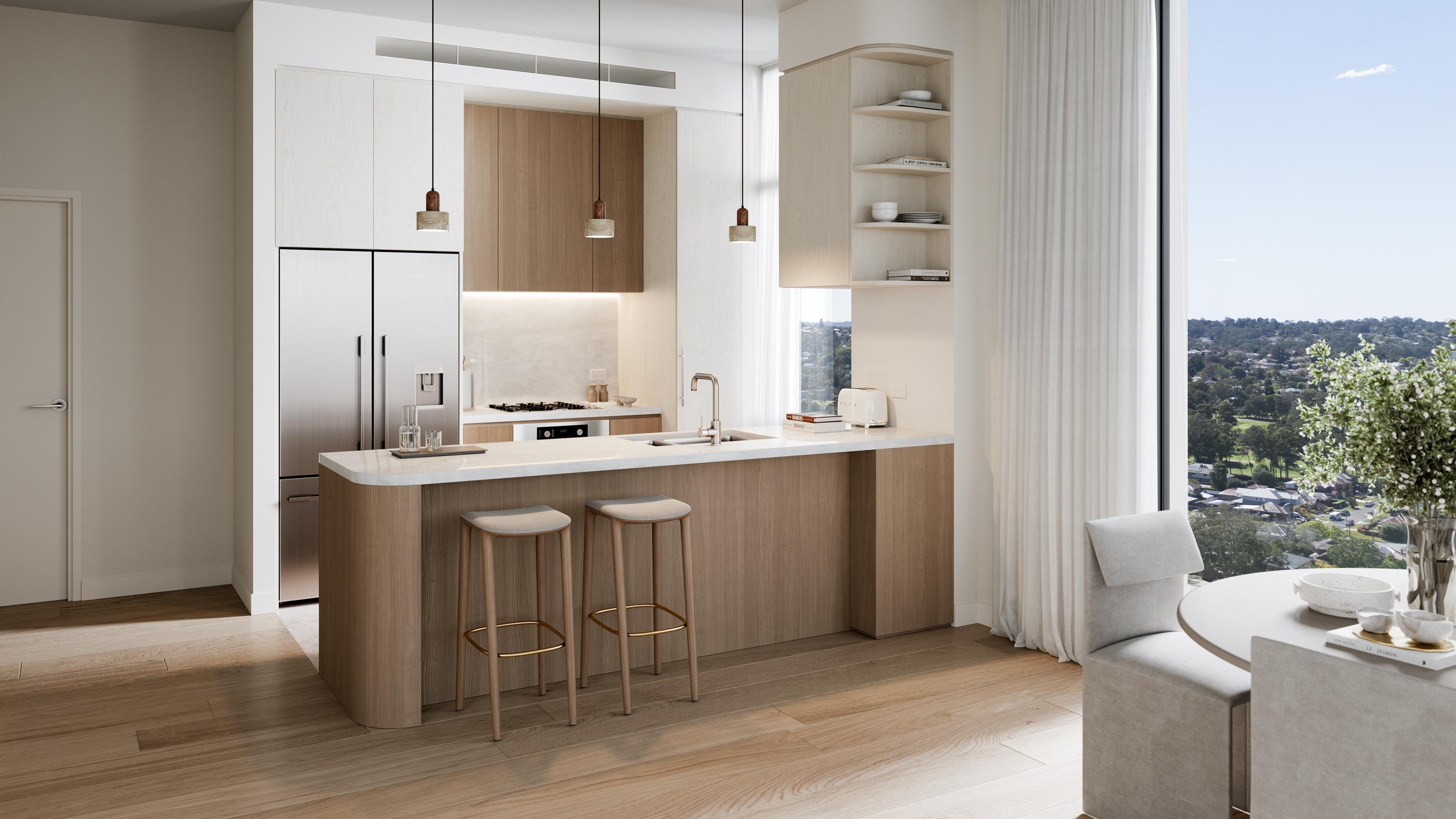
The kitchen is no longer just a place to cook; it’s the social heart of the home. Developers who prioritize a "functional triangle" (the distance between fridge, sink, and stove) and include island benches—even in smaller units—see significantly higher sales velocity. An island bench isn't just a workspace; it’s a breakfast bar, a home office, and a social hub.
5. The "Storage Ratio"
A common reason projects "stall" is a lack of storage. Buyers in 2026 are often moving from larger homes and are terrified of clutter. Incorporating "floor-to-ceiling" joinery and maximizing linen cupboard space makes a project stand out. In the eyes of a buyer, integrated storage equals luxury and organization.
Important Disclaimer The information provided in this article is for general educational and illustrative purposes only and does not constitute professional financial, development, or legal advice. Cubecorp Projects recommends seeking independent advice from qualified architects, planners, and financial advisors. Please note that all dimensions and efficiency ratios mentioned are hypothetical examples; they are "made-up" for demonstration purposes and do not reflect specific project results or guaranteed sales performance.