The Evolution of Indoor Play: From "Playroom" to "Play Zone"
Creating a dedicated indoor play area isn't a new concept, but the approach has shifted. Historically, a "playroom" was often a stagnant space filled with fixed, bulky equipment. Today’s design trend favors a low-cost, multi-zone approach—a flexible, modular setup that grows with your child and maximizes your home’s existing floor plan.
While the concept of children having a designated play area is timeless, the focus on "zoning" and "open-ended play" has gained momentum as families seek to balance screen-free activity with the realities of modern, high-density living.
Low-Cost, Multi-Zone Design Ideas
To create a functional space without the high costs of permanent construction, focus on modularity:
-
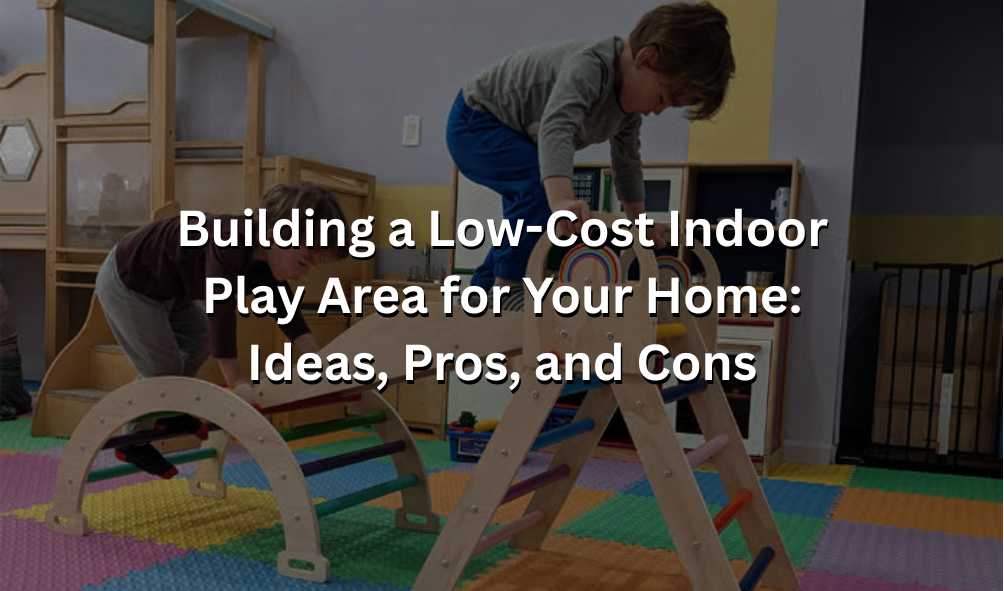
Soft Floor Foundations: Start with interlocking foam mats or high-quality, machine-washable rugs. These provide a safe "soft landing" for active play and visually define the boundaries of the play zone.
- The Power of Open Storage: Ditch the heavy toy chests. Use low, open cubby shelves. Bins placed within these cubbies make clean-up a game: "Everything goes home to its shelf." This keeps toys accessible yet contained.
- Vertical Zoning: If floor space is tight, go vertical. Use wall-mounted pegboards for craft supplies, dress-up clothes, or Lego baseplates.
- Multi-Purpose Furniture: Look for storage benches that double as a seat for reading or a "stage" for puppet shows.
- Rotate and Refresh: You don’t need every toy out at once. Keep a "toy rotation" system in a closet, swapping items monthly to keep the environment fresh and engaging.
The Pros and Cons
| Pros | Cons |
| Physical Development: Encourages crawling, balancing, and movement, even on rainy days. | Space Usage: Can make a room feel cluttered if not managed with good storage. |
| Independence: Children learn to self-direct their play and take ownership of cleanup. | Safety Limits: Indoor spaces lack the expansive freedom of the "great outdoors." |
| Creativity: A "blank canvas" zone fosters imaginative play better than pre-set themed rooms. | Noise: Active play indoors naturally creates more noise within the living environment. |
Why It Matters: Balancing Indoor and Outdoor Play
While indoor play areas are fantastic for mental stimulation, problem-solving, and rainy-day safety, experts emphasize that they should be a supplement to and not a replacement for outdoor play. Outdoor environments offer unique sensory inputs (nature, fresh air, uneven terrain) that are essential for long-term physical development.
The most successful indoor play zones in 2026 are those that are highly adaptable. By using modular elements that can be moved or packed away, you ensure your home remains a functional living space for the whole family, while still providing your children with a dedicated sanctuary for growth and imagination.
Sources:
-
CSIRO: The Future of Play Spaces in Australian Homes (2025)
-
Playground Centre: Indoor vs. Outdoor Development Analysis
-
HGTV Small-Space Design Guides (2026)
Disclaimer: Always prioritize safety by ensuring all climbing structures are securely anchored to wall studs. Avoid placing small objects in areas accessible to toddlers, and ensure all furniture items meet Australian safety standards for child-friendliness.