Australian home design is experiencing a significant shift. Where once we chased bold statement pieces and ultra-modern minimalism, 2026 is bringing us back to warmth, functionality, and spaces that genuinely feel good to live in. Builders and designers across the country report that comfort and everyday functionality now take precedence over visual impact alone.
Here are the trends shaping how Australians are designing their homes right now.
Japandi: The Perfect Marriage of Japanese and Scandinavian Design
Japandi continues to dominate Australian interiors-and for good reason. This hybrid style combines Japanese wabi-sabi principles (finding beauty in imperfection) with Scandinavian hygge (creating cosy, contented spaces).
Key characteristics include:
- Natural materials like light oak, bamboo, and linen
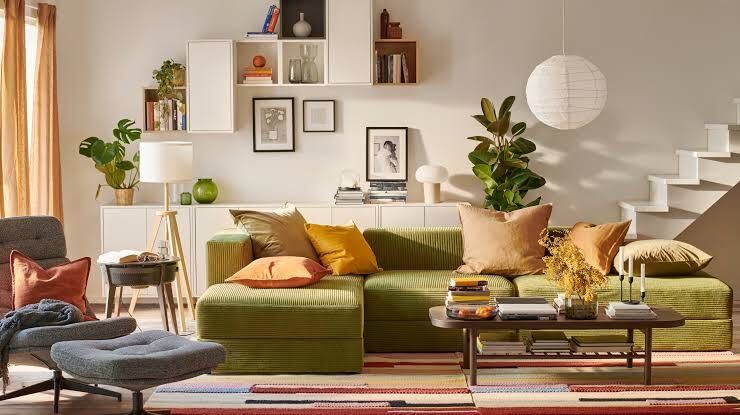
- Muted, earthy colour palettes-think sage greens, warm greys, and soft terracottas
- Clean lines without starkness
- Minimal ornamentation with maximum intention
- Handmade ceramics and artisan pieces
The appeal lies in its timelessness. Unlike trend-driven designs that date quickly, Japandi creates spaces that feel calm, grounded, and relevant year after year.
Biophilic Design: Bringing the Outdoors In
Australia's spectacular natural environment is increasingly influencing our interiors. Biophilic design-incorporating natural elements into built spaces-has moved beyond simply adding a few houseplants.
Modern interpretations include:
- Living walls and vertical gardens in open-plan living areas
- Large-format windows that frame garden views like artwork
- Natural stone benchtops and timber feature walls
- Water features that create ambient sound
- Skylights and clerestory windows that maximise natural light
Research consistently shows that connecting with nature reduces stress and improves wellbeing. Australian homeowners are embracing this philosophy wholeheartedly.
Warmer, More Liveable Palettes
The stark whites and cool greys that dominated the past decade are giving way to warmer, more inviting tones. Think mushroom, oatmeal, caramel, and soft terracotta. These colours create depth and warmth without darkening spaces.
Kitchens are seeing particular transformation. Where glossy white cabinetry once reigned supreme, we are now seeing:
- Two-tone designs combining warm neutrals with natural timber
- Matte finishes that feel more organic than high-gloss
- Brass and bronze hardware replacing chrome
- Stone splashbacks with veining and movement rather than plain surfaces
Multi-Functional Spaces That Actually Work
The pandemic permanently changed how we use our homes. Remote work, home schooling, and entertaining at home mean our spaces need to work harder than ever. But unlike the makeshift solutions of 2020, 2026 is about intentional, well-designed flexibility.
footprint while standing the test of time.
Popular sustainable choices include:
- Recycled and reclaimed timber for flooring and furniture
- Energy-efficient appliances and LED lighting
- Water-saving fixtures in bathrooms and kitchens
- Durable materials that will not need replacing in five years
- Quality over quantity-investing in fewer, better pieces
Making These Trends Work for Your Build
Whether you are building new or renovating, the key to successful interior design in 2026 is personalisation. The best homes do not slavishly follow trends-they adapt them to suit the people living there.
Work with designers who listen to how you actually live. A young family needs different solutions than empty nesters. Avid cooks require different kitchen configurations than occasional entertainers. The most successful interiors emerge when contemporary trends meet individual lifestyle needs.