Beyond Aesthetics: The Science of Living
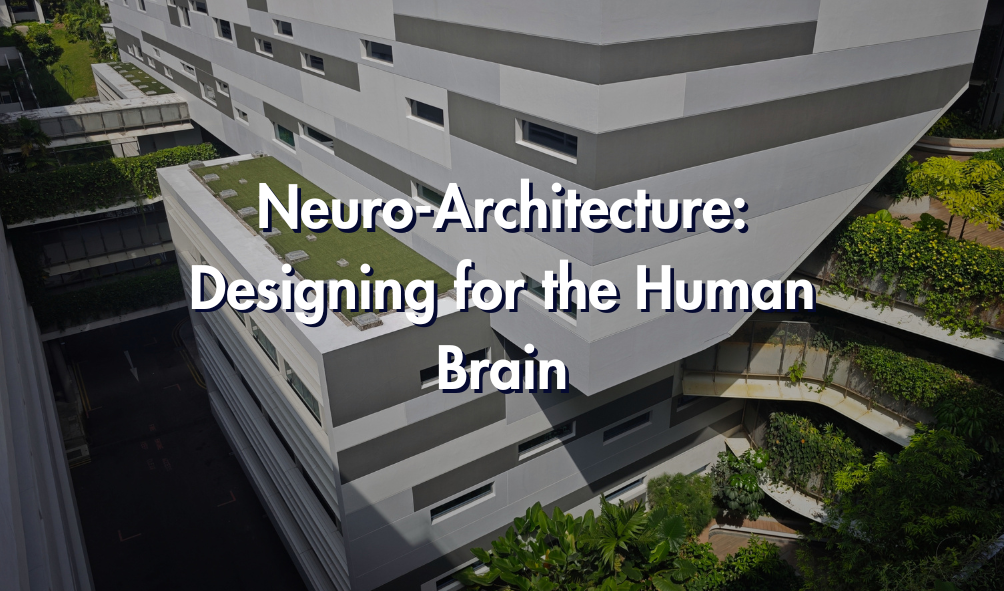
In 2026, architecture has moved past "sustainable" into "regenerative." The biggest buzzword of the year is Neuro-Architecture. This discipline bridges the gap between neuroscience and the built environment, treating the home not just as a shelter or an aesthetic statement, but as a biological support system. The core philosophy is simple: our surroundings directly impact our brain chemistry, and we can design spaces that promote healing, focus, and calm.
Source: https://www.thelightingpractice.com/what-is-circadian-lighting/
Key Elements of Neuro-Inclusive Design
Architects are now employing several key "neuro-hacks" to improve the quality of life for residents:
- Circadian Lighting Systems: Modern 2026 homes are increasingly equipped with smart lighting that mimics the sun’s natural progression. In the morning, the system emits blue-rich light to suppress melatonin and boost alertness. As evening approaches, the lights shift to warm, amber tones with low blue-light output, signaling the brain to prepare for restorative sleep. This alignment with our biological clocks has been shown to significantly reduce insomnia and anxiety.
- Biophilic Fractals: It isn't just about "adding plants." Neuro-architecture utilizes fractal patterns—the repeating, complex patterns found in nature (like the veins of a leaf or the scales of a shell). Research shows that the human brain processes these patterns with much less effort than the sharp, artificial lines of traditional modernism. Incorporating these patterns into wallpaper, flooring, or facade design can lower the sympathetic nervous system's "fight or flight" response.
- Acoustic Comfort and Soft Transitions: High-density living often comes with "sensory "overload." Neuro-inclusive design prioritizes acoustic dampening through the use of mycelium-based acoustic panels and soft-close transitions. The goal is to eliminate the "startle response" caused by sudden noises or harsh lighting changes.
The geometry of peace. Shifting sunlight casts dynamic shadow patterns through timber screens, creating rhythmic "biophilic fractals" on the concrete canvas. This connection to the passage of time grounds the nervous system in the present moment.
Source: https://burleighbeachdesigns.com.au/insights/the-cortisol-conscious-home-the-architecture-of-recovery
The Future of the "Mindful Home"
As we move further into 2026, neuro-architecture is being applied beyond private residences into schools and workplaces. By designing spaces that accommodate different "neuro-types"—including those with ADHD or autism—architects are creating a more inclusive world. In the residential sector, this translates to "decompression zones" at home entrances—transitional spaces that allow the brain to switch from the high-stress outside world to the sanctuary of the home.
Sources: Academy of Neuroscience for Architecture (ANFA); HDR Architecture Megatrends 2026; WGSN Design Forecast; Journal of Neuro-Aesthetics.
Disclaimer: The information provided in these articles is for general informational purposes only and does not constitute financial, legal, or real estate advice. Real estate markets and government policies are subject to change. Readers should seek independent professional advice before making any investment or legal decisions.